Understanding Cataracts and Their Impact
Cataracts are a common eye condition that can significantly impair vision and the overall quality of life if left untreated. This condition occurs when the natural lens of the eye becomes cloudy, leading to blurred or distorted vision. In the UAE, where sunlight is abundant, the risk factors for developing cataracts can be exacerbated by prolonged exposure to UV rays without adequate eye protection. To effectively address this visual impairment, consulting a qualified cataract surgeon in UAE is critical for optimal outcomes.
What Are Cataracts and How Do They Develop?
Cataracts are characterized by a gradual clouding of the lens in the eye, which can occur due to various factors, including aging, genetics, and environmental influences. The lens, which is normally clear, starts to lose its transparency over time. This condition is most commonly associated with older adults, with many experiencing some degree of cataract development by the age of 70. However, cataracts can also form due to other factors such as diabetes, smoking, and prolonged use of corticosteroids.
Common Symptoms and Diagnosis Procedures
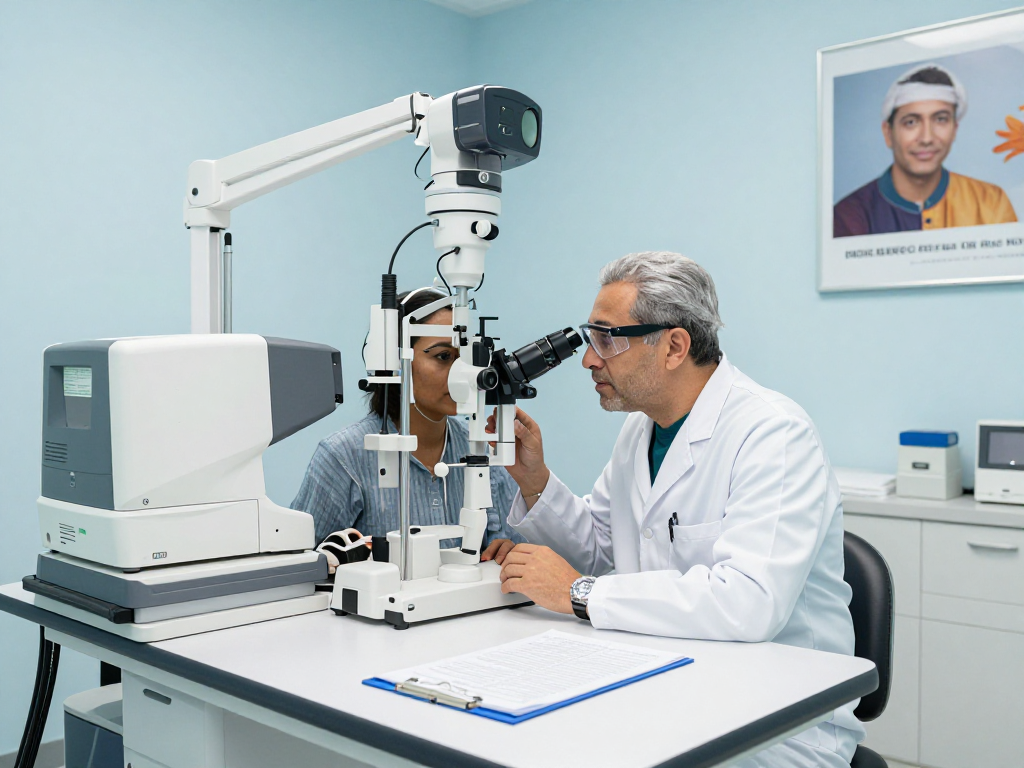
The symptoms of cataracts may initially be subtle and can include blurred vision, difficulty seeing at night, sensitivity to light, and changes in color perception. As cataracts progress, these symptoms may worsen, significantly hindering daily activities. Eye care professionals utilize comprehensive eye examinations to diagnose cataracts, often through visual acuity tests and dilation procedures to examine the lens's clarity. An accurate diagnosis is essential for determining the most appropriate treatment options.
The Importance of Early Detection by a Cataract Surgeon in UAE
Early detection of cataracts is crucial as it allows for timely intervention and the preservation of vision. Regular eye check-ups become increasingly important as one ages, and especially for those with known risk factors. A cataract surgeon in UAE can offer a tailored approach to managing cataracts, focusing on individual patient needs, lifestyle, and vision goals.
Choosing the Right Cataract Surgeon in UAE
Finding the right cataract surgeon is essential to ensure effective treatment and optimal visual outcomes. As patients navigate their options, understanding what to look for in a surgeon can significantly impact their experience and results.
Qualifications and Experience to Look For
When selecting a cataract surgeon, it is vital to consider their qualifications, experience, and specialized training in cataract surgery. Look for board certification in ophthalmology, as well as additional fellowship training in cataract or refractive surgery. Surgeons with extensive experience in performing cataract procedures are often more adept at handling complex cases, which can lead to better outcomes.
Patient Reviews and Testimonials
Patient reviews can provide insight into a surgeon's skills and approach to care. Many potential patients find it helpful to read testimonials on clinic websites or third-party review platforms. Hearing directly from former patients about their experiences can help determine whether a surgeon meets your expectations for professionalism, communication, and postoperative care.
Consultation Process and Expectations
The consultation process with a cataract surgeon typically includes a detailed eye examination. During this visit, the surgeon will discuss the patient's symptoms, medical history, and any questions or concerns regarding the surgery. Patients should prepare a list of questions to ensure they receive a comprehensive understanding of the procedure, expected outcomes, and recovery timeline.
Innovative Techniques in Cataract Surgery
Cataract surgery has evolved significantly, with advancements leading to improved outcomes and reduced recovery times for patients. Understanding these innovative techniques can help demystify the surgical process for individuals facing cataract surgery.
State-of-the-Art Surgical Procedures
Modern cataract surgery primarily involves phacoemulsification, a minimally invasive technique that utilizes ultrasound waves to break up the cloudy lens before it is removed and replaced with an artificial intraocular lens (IOL). This approach typically results in less trauma to the eye and faster recovery than traditional surgical methods, which required larger incisions.
Technology's Role in Surgical Success Rates
Technological advancements, such as the use of femtosecond lasers, enhance the precision of cataract surgery. These lasers can assist in creating incisions and breaking up the lens, improving overall surgical accuracy and patient outcomes. Additionally, innovations in IOL options, including multifocal and toric lenses, allow for personalized vision correction tailored to individual patients' needs.
Comparative Analysis of Traditional vs. Modern Approaches
While traditional cataract surgery involved larger incisions and a longer recovery time, modern techniques emphasize smaller incisions and advanced technology, which generally result in quicker recovery and improved visual acuity. This transition reflects a broader trend in ophthalmology towards minimally invasive procedures that prioritize patient comfort and surgical efficacy.
Post-Operative Care and Recovery
Effective post-operative care is critical to ensuring a smooth recovery after cataract surgery. Patients should be aware of the care instructions provided by their surgeon and be proactive in monitoring their recovery process.
Immediate Post-Surgery Instructions
After surgery, patients may experience some discomfort or temporary visual disturbances. Surgeons often recommend rest and avoiding strenuous activities for a few days. It is also essential to attend follow-up appointments to monitor healing and ensure that the new IOL is functioning properly.
Long-Term Eye Health and Follow-Up Care
Long-term eye health post-surgery entails regular check-ups with an eye care professional to assess vision quality and eye health. Patients should remain vigilant about any changes in their vision and report these to their surgeon. Additionally, ongoing eye exams can help detect other potential vision issues early on.
Signs of Complications and When to Seek Help
While cataract surgery is generally safe, patients should be aware of signs that may indicate complications, such as increased pain, redness, or sudden changes in vision. Promptly seeking help if any of these symptoms occur is critical for addressing potential issues before they escalate.
Future Trends in Ophthalmology and Cataract Surgery
As technology advances and research progresses, the field of ophthalmology and cataract surgery continues to evolve. Staying informed about these trends can help patients make educated decisions regarding their eye care.
Emerging Technologies and Their Potential Impact
Emerging technologies, such as artificial intelligence and machine learning, are beginning to be applied in eye care, improving diagnostic accuracy and personalizing surgical approaches. These technologies may lead to better patient outcomes and streamlined surgical protocols in the coming years.
Predictions for Eye Care Innovations by 2026
By 2026, the landscape of cataract surgery could see even further advancements, including improvements in surgical techniques and IOL technology. Innovations such as smart lenses that adapt to lighting conditions or provide digital displays may revolutionize the way patients experience vision correction.
The Evolving Role of Cataract Surgeons in UAE
In the UAE, cataract surgeons will likely continue playing a crucial role in leading the charge towards integrated eye care. Their expertise in not only performing surgery but also guiding patients through prevention, early detection, and holistic eye health will become increasingly important in maintaining eye health for the aging population.
What Common Questions Do Patients Have?
Patients often have many questions regarding cataract surgery, including the procedure's safety, the expected recovery time, and potential risks involved. Preparing a list of common inquiries before the consultation can help alleviate concerns and ensure a thorough understanding of the treatment process.
What Are the Risks Associated with Cataract Surgery?
While cataract surgery is generally safe, risks do exist. Potential complications include infection, retinal detachment, and persistent visual disturbances. Discussing these risks with a qualified cataract surgeon helps patients weigh the benefits against potential outcomes.
How Can I Prepare for My Consultation with a Cataract Surgeon?
Preparing for a consultation involves gathering relevant medical history, listing medications, and understanding personal visual goals. Patients should also prepare specific questions that address their concerns regarding surgery and recovery.
Are There Non-Surgical Alternatives for Cataracts?
While surgery is the most effective method for treating cataracts, non-surgical options may include updated prescriptions for glasses or contact lenses to manage symptoms. However, these alternatives are often temporary solutions, as cataracts will continue to progress without surgical intervention.
What is the Typical Recovery Timeline After Surgery?
Recovery timelines post-cataract surgery can vary, but many patients notice significant improvement in their vision within a few days. Complete healing can take several weeks; thus, patience and adherence to post-operative instructions are vital for optimal outcomes.